Connecting IoT devices correctly is the first step to building an efficient digital ecosystem.
Whether you’re deploying sensors in an industrial plant or installing smart devices in a building, following a structured process is key to ensuring stable connectivity, security, and scalability. In this guide, we explain step by step how to do it, the most common mistakes to avoid, and the tools that make integration easier.
Step 1: Define your objectives and your devices
Before connecting anything, ask yourself:
• What do you want to improve or optimize?
• What will you measure?
• What types of devices will you use (sensors, machines, cameras, actuators)?
• What volume of data will they generate and how frequently?
This preliminary analysis will help you choose the right network, protocol, and platform.
Step 2: Which tools will I use
Each environment requires a different type of connection. Here are some commonly used options in IoT:
• No-code: everything integrated with CoppioT.
• Multiple tools: like Node-RED or pre-built connectors.
• Program everything from scratch.
Step 3: Plan the infrastructure and how it will interconnect
• Assign a unique identity to each device.
• Configure secure credentials (certificates, tokens, or private keys).
• Verify connectivity with a simple test before full deployment.
Common mistake: not updating device firmware before connecting. This can cause incompatibilities or security gaps.
Step 4: Implement
This is where everything comes together.
An IoT platform lets you visualize, analyze, and manage the data your devices generate.
Practical example:
With CoppioT, powered by Engapplic, you can:
• Register new devices in a few clicks.
• Configure automatic alerts.
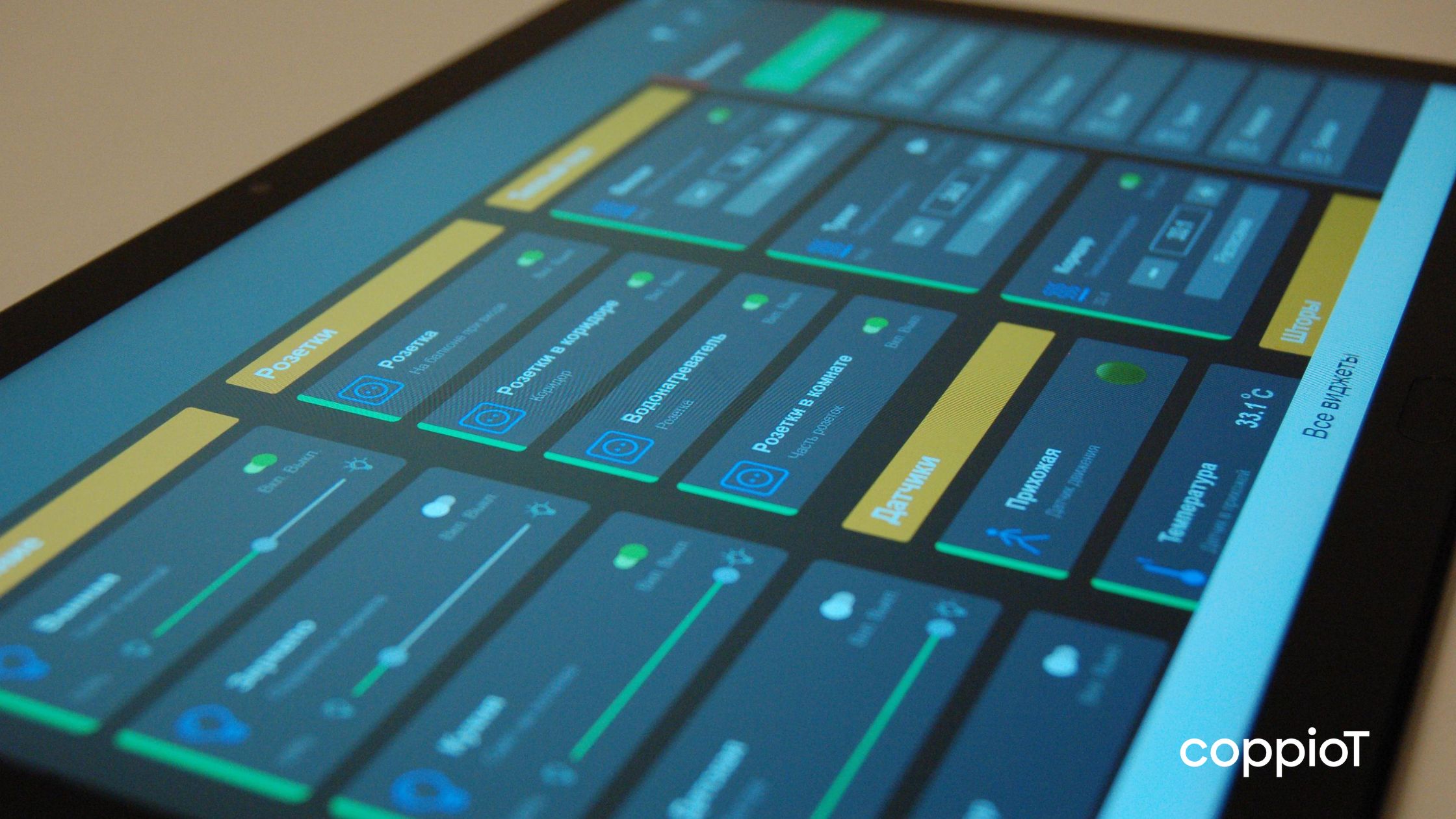
• Visualize real-time data on an intuitive dashboard.
• Integrate industrial protocols without writing code.
Advantage: the whole process is no-code, secure, and scalable.
Step 5: Verify and validate data and measurements
Cybersecurity is essential in any IoT network. Always apply these practices:
• Encrypt all communications (TLS/SSL).
• Restrict access by role or user.
• Update firmware regularly.
• Continuously monitor network activity.
Tip: use platforms with automatic audits and alerts for unusual behavior.
Step 6: Monitor and optimize
Once connected, your devices must be continuously monitored. Configure key indicators (KPIs) such as:
• Connection status.
• Battery level.
• Sensor performance.
• Energy consumption.
Modern IoT platforms—like CoppioT—allow you to generate automatic reports and trigger predictive maintenance without manual intervention.
Common mistakes to avoid
• Connecting devices without planning the network or protocol.
• Ignoring compatibility between devices and the platform.
Connecting IoT devices correctly is not just a technical matter: it’s the foundation of any industrial digitization strategy. Following a clear methodology, prioritizing security, and relying on intelligent platforms like CoppioT guarantees fast, reliable, and sustainable results.
CoppioT, powered by Engaaplic, enables you to connect, visualize, and manage your IoT devices without writing a single line of code. Transform your data into decisions—simply and securely.